



Key points
- Section 702 was set to expire after Congress failed to agree on a temporary extension before its recess.
- A March court ruling allowed existing surveillance authorizations to remain in effect for another year, limiting the immediate operational impact.
- The program lets U.S. intelligence agencies collect communications from foreign targets outside the country without obtaining an individual warrant first.
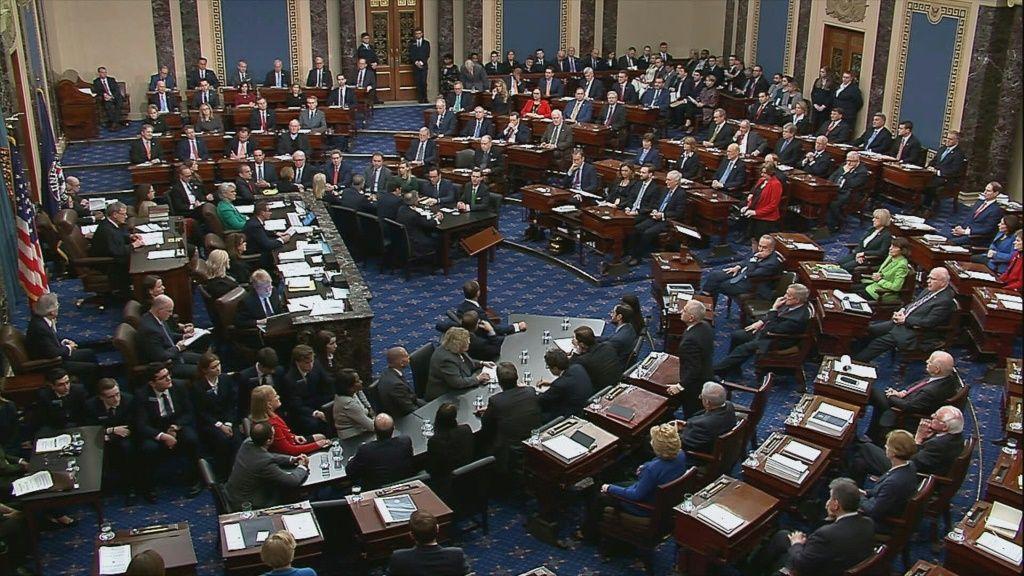
The United States Senate has approved a major bipartisan infrastructure and energy permitting bill, advancing legislation designed to speed up the approval of large construction and energy projects. The Bipartisan American Affordability and Jobs Act passed with 62 votes in favour and 33 against, marking an important development in the country's infrastructure and energy policy debate.
The legislation now moves to the Republican-controlled House of Representatives. President Donald Trump has indicated that he would sign the bill if it passes the House. The proposal has been under development for approximately four years and was advanced by lawmakers seeking to address delays affecting major infrastructure projects.
One of the central objectives is to make federal approval processes more predictable. Large energy projects, including power plants and electricity transmission lines, often require extensive government reviews before construction can begin. Supporters argue that lengthy approval procedures can increase project costs, delay investment and make it harder to expand the country's energy infrastructure.
The bill proposes tighter deadlines for federal environmental reviews and measures to accelerate the planning and construction of electricity transmission lines. It would also limit certain circumstances in which permits can be revoked or challenged in court.
A significant part of the legislation addresses the growing electricity requirements of artificial intelligence data centres. As technology companies expand their computing infrastructure, demand for reliable electricity has become an increasingly important concern for policymakers and energy providers.
Under the proposal, large AI data centres would be required to cover a greater share of the grid upgrade costs associated with their electricity needs. Supporters say this could help ensure that major electricity users contribute more directly to the infrastructure required to serve them.
Despite bipartisan support, the legislation has faced criticism from several lawmakers. Most opposition came from Democrats who expressed concerns that the proposed changes could weaken environmental protections and tribal sovereignty. Democratic Senator Jeff Merkley argued that tribal communities had not received adequate consultation during the legislative process.
The disagreement highlights the challenge of balancing infrastructure expansion with environmental safeguards and the rights of communities affected by large development projects.The Senate's approval does not mean the proposed changes have become law. The House must still consider the legislation, and its decision will determine whether the measure advances to the president.The bill could have significant implications for future energy investment, electricity transmission development and the construction of AI data centres across the United States. Its progress will remain an important issue for lawmakers, businesses, environmental groups and communities following the country's infrastructure policy.