



Key points
- According to an AP assessment based on official statements, Iran has launched at least 380 missiles and more than 1,480 drones against the five Arab Gulf nations since the war began.
- Local authorities report that at least 13 people have died in those nations.
- The U.S.'s handling of the conflict, especially the initial attack on Iran last Saturday, has disappointed the governments of two Gulf nations, according to officials from those nations.
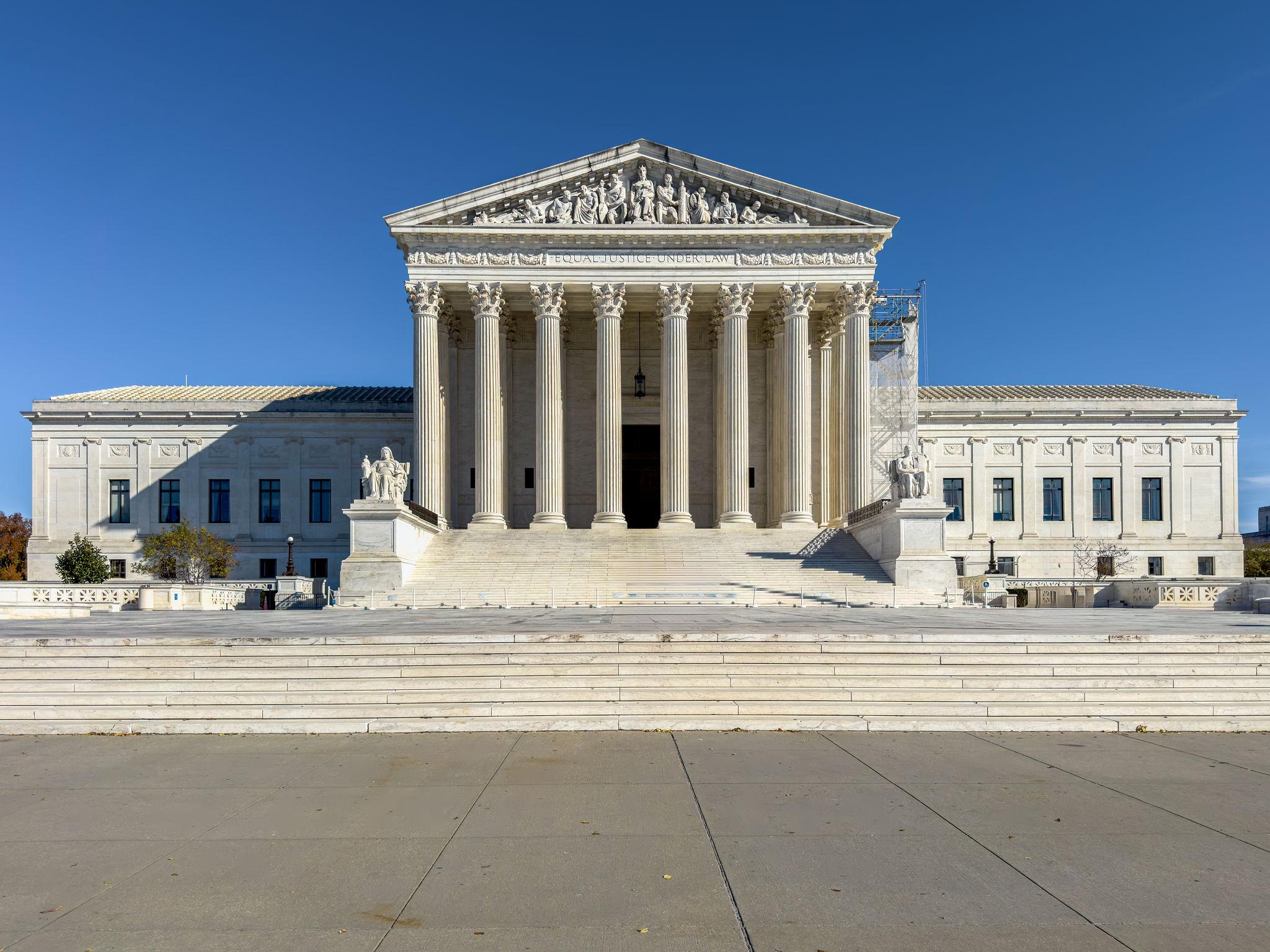
The court's November 13 action does not decide whether the restrictions are legal. Instead, it agrees to hear the administration's appeal of lower-court rulings that found the policy unlawful. The justices are expected to hear arguments in the coming months, with a decision anticipated by the end of June 2027.
Trump introduced the border proclamation on January 20, 2025, his first day back in office. It declared that the situation at the southern border constituted an invasion and sought to suspend entry and access to asylum for certain migrants crossing outside designated ports of entry.
The administration argues that the president has broad authority under immigration law to restrict entry and deny asylum to people covered by the order. Officials say the policy is intended to address border security concerns and reduce pressure on the immigration system.
Immigrant-rights organizations, including the American Civil Liberties Union (ACLU), argue that federal law protects the right of people who fear persecution to apply for asylum, regardless of how they entered the country.
They say the president cannot unilaterally eliminate the application process or bypass protections established by Congress. Lower federal courts previously agreed with key parts of this argument and ruled against the administration.
The administration appealed those decisions, bringing the dispute to the Supreme Court.
The Supreme Court will examine whether the presidential proclamation and the guidance implementing it are legally valid. It will also consider whether federal law limits the ability of lower courts to issue broad protections covering groups of affected migrants.
The outcome could have significant consequences for future immigration enforcement and the legal rights of people arriving at the US southern border.
If the justices side with the administration, the restrictions could receive stronger legal backing. If they rule against it, the decision could reinforce the limits of presidential authority over asylum procedures.For now, the Supreme Court has agreed only to hear the case. The final decision is still pending.