



Key points
- Vance’s speech last year was “really a shock moment,” said Claudia Major, a senior vice president at the German Marshall Fund in Berlin.
- Should that be the case, many in the audience may be relieved after being buffeted first by Vance’s blunt rebukes last year and then a series of Trump statements and moves in the months since that have targeted virtually every country in Europe, Canada and long-standing allies in the Indo-Pacific.
- Germany, France, Britain, Italy, Norway and Sweden, among others, have either declined to accept or have not yet signed on to the board, which will hold its first meeting to raise money for Gaza in Washington on Feb. 19.
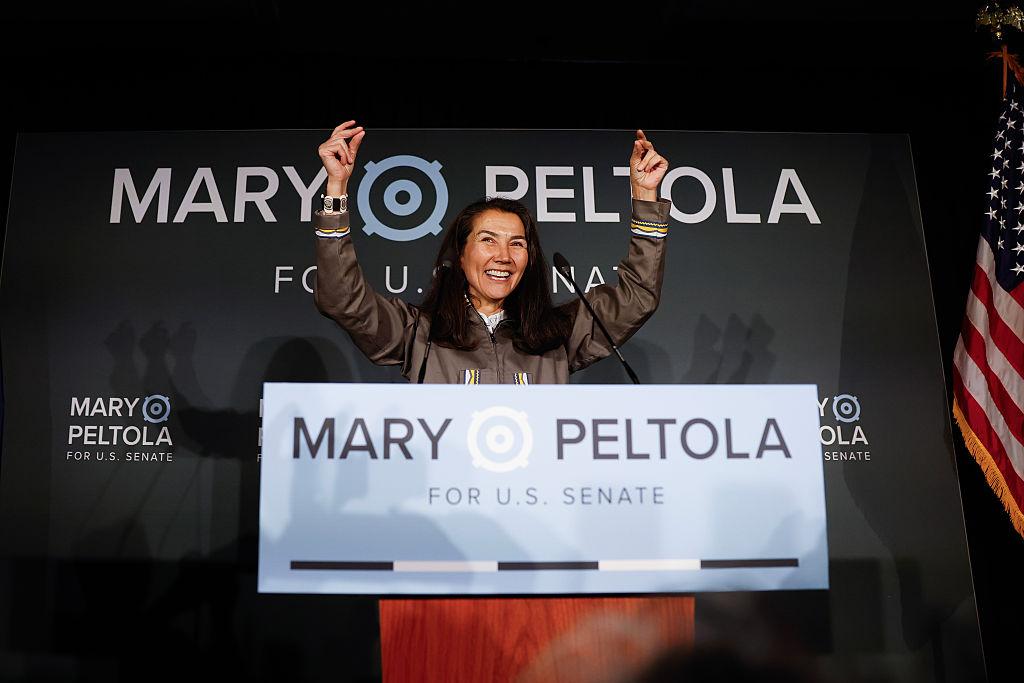
Democrat Mary Peltola has defeated Republican incumbent Dan Sullivan in Alaska's closely watched US Senate race, giving Democrats a 56–44 majority in the Senate when the new Congress takes office in January 2027. The result completes a significant round of midterm gains for Democrats and strengthens their position in Washington ahead of the next legislative session.
Peltola's victory is particularly significant because Alaska has traditionally leaned Republican in presidential and statewide elections. She becomes the first Alaska Native elected to the US Senate and the first Democrat to win an Alaska Senate seat since 2008. Her victory also gives Democrats their ninth Republican-held Senate seat pickup in the 2026 midterm elections.
During the campaign, Peltola focused on the cost of living, high fuel prices, rural communities and the economic pressures facing residents in remote parts of Alaska. Many communities depend on fuel for electricity and heating, while food and other essential goods can be expensive because of transportation challenges.
She presented an Alaska-focused message, emphasising her familiarity with local communities and the importance of representing the state's interests in Washington.
The election also attracted controversy over a third-party candidate named Daniel J. Sullivan, whose name closely resembled that of the Republican incumbent. Allegations emerged that people connected to the Democratic campaign had helped recruit the candidate to confuse voters. Peltola denied knowing about or participating in such an effort.
The Justice Department had attempted to delay certification while examining possible voter confusion. However, a federal judge rejected the department's request, and the Justice Department subsequently dropped its appeal. The department has separately confirmed a criminal investigation. These allegations have not established wrongdoing by Peltola.
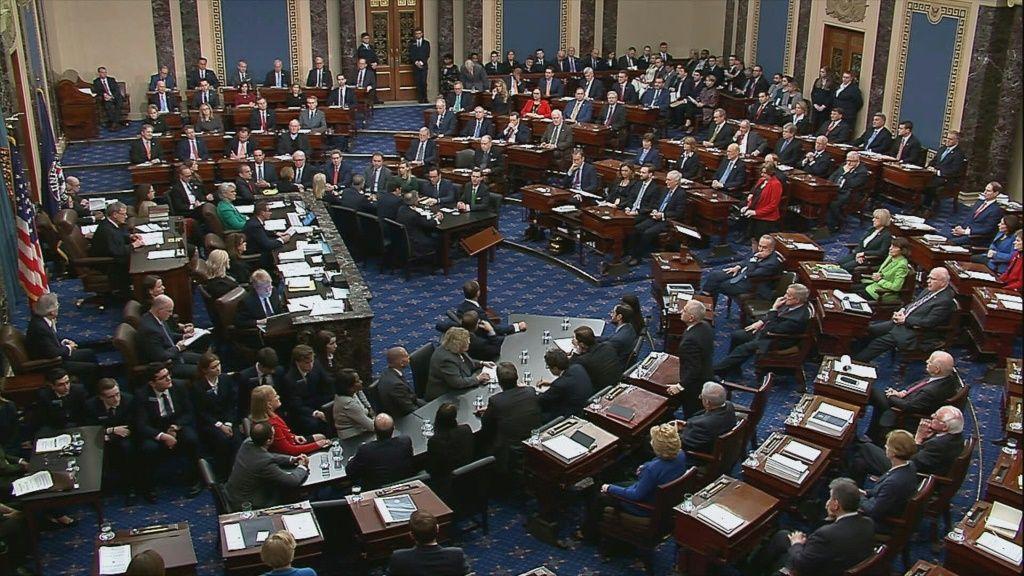
With 56 seats, Democrats will have a substantial numerical advantage in the Senate when the new Congress begins in January. The result gives the party greater control over committee leadership, legislative priorities and congressional oversight.
However, a 56-seat majority does not guarantee that every Democratic proposal will pass. Major legislation can still face procedural hurdles, internal disagreements and opposition from the Republican-controlled White House under President Donald Trump. The next Congress is therefore likely to see negotiations and political disputes over spending, healthcare, energy and federal policy.
Peltola's arrival will add another voice to those debates, particularly on issues involving Alaska's economy, rural infrastructure, natural resources and the cost of living.
The Alaska result completes the Senate picture following the 2026 midterms. Democrats' expanded majority gives them a stronger position in Congress, while Republicans will have to adapt to a legislature controlled by the opposition party.
For the incoming Senate, the central challenge will be turning election gains into legislative results. The balance of power has changed, but the extent of policy change will depend on negotiations between Congress and the White House.