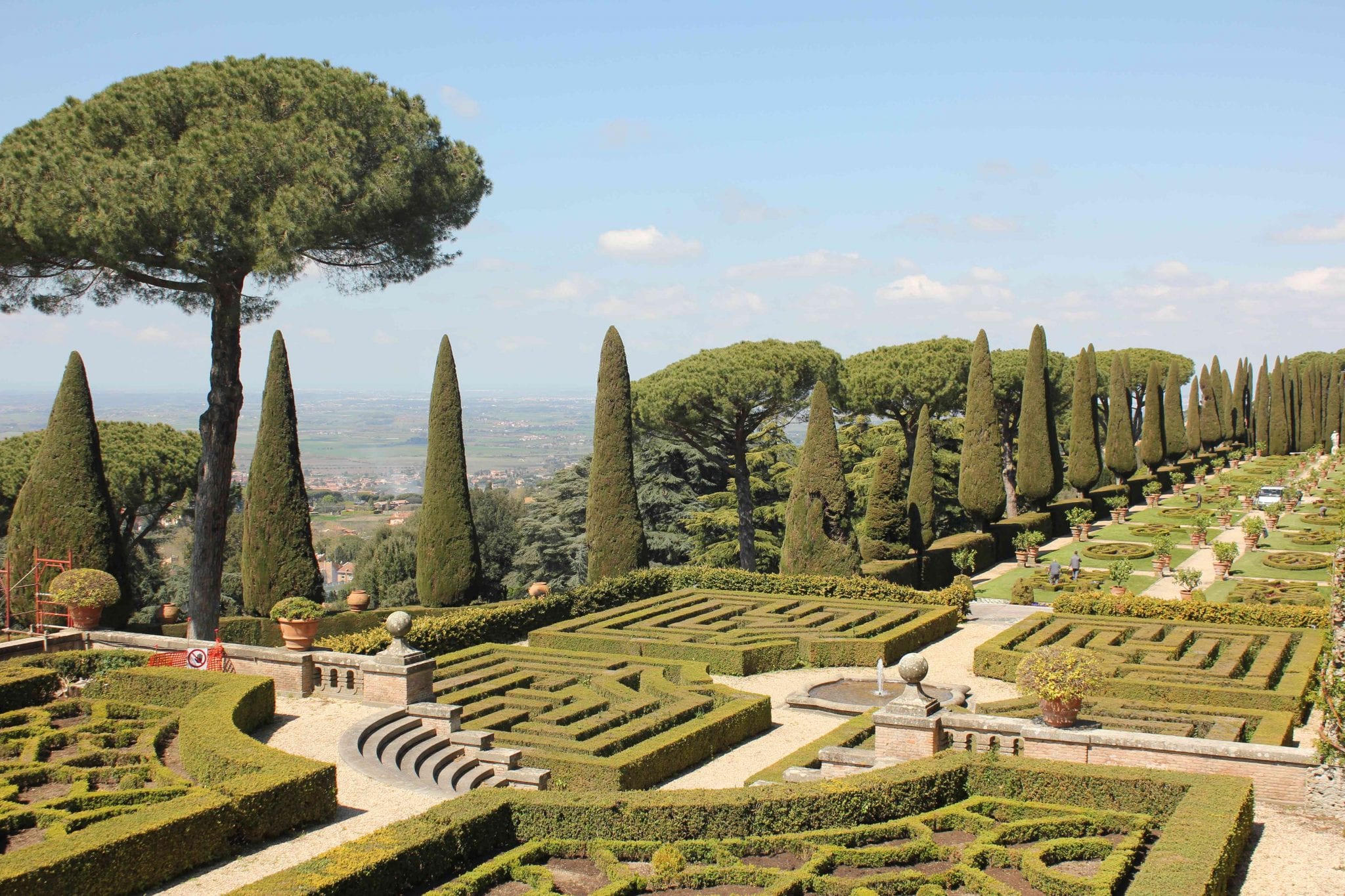



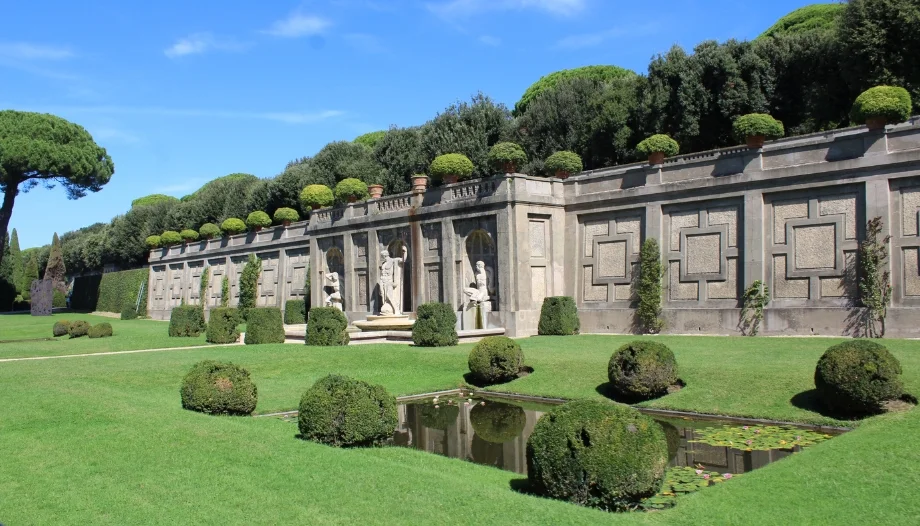
Borgo Laudato Si’ is an educational, agricultural and environmental project on the papal estate of Castel Gandolfo, southeast of Rome. Pope Francis envisioned it as a concrete realization of his 2015 encyclical on caring for creation, and Pope Leo XIV inaugurated it on September 5, 2025. It is operated by the Laudato Si' Higher Education Center. Venue of Canticle of Peace on July 29, 2026. This page defines the place, what it does and how it links to PolicyNow's main article.
The term is derived from the 2015 encyclical Laudato si’, which connected environmental degradation to poverty and urged for a collective response. According to a University of Notre Dame account, Francis created the Laudato Si’ Center for Higher Education on 2 February 2023 to turn the gardens of Villa Barberini and other pontifical homes into a venue for training in holistic ecology. The Borgo is a concrete home of that effort.Borgo is the Italian word for a small village or hamlet.
The reports give slightly varying sizes. Other sites, like Religion News Service, estimated the Borgo at about 135 acres, which is roughly 55 hectares and the size of the papal villas complex. Aleteia cited 87 acres of gardens and 50 acres of cropland, while Smithsonian magazine said 136 acres. The complex comprises gardens, palaces, monuments and archeological remnants, as well as farming. PolicyNow is using 'approximately 135 acres' as the working amount.
And the land matters for who owns it. The papal estate at Castel Gandolfo accounts for around 55 percent of the area of the Holy See, Reuters claimed, citing the Smithsonian. The villas and Villa Barberini are extraterritorial under the 1929 Lateran Treaty, meaning they are in Italy yet belong to the Holy See. “It was a notable choice to use a piece of that property for an education project, taking land used for papal rest and giving it a public purpose.
The new buildings are the most visible change. OSV News reported that the location includes a freshly constructed teaching facility and a newly constructed greenhouse. The greenhouse is round, its curve comparing by Catholic News Service to Bernini’s colonnade in St. Peter’s Square and its shape by Aleteia to a flying saucer. In the middle is a bronze sculpture by the Italian artist Arnaldo Pomodoro, Disk in the Form of a Desert Rose. The new center took two years to build, Aleteia reported.
The design is sustainable. The structure is built on photovoltaic systems and features classrooms, conference spaces and a greenhouse, Religion News Service reported. The Borgo is totally solar-powered, the Smithsonian added. The reported a restriction on plastics along with recycling and composting. Aleteia incorporated water recovery systems and exclusive usage of electric vehicles. The space has no environmental impact, said Father Manuel Dorantes, the administrative director.
The Borgo is a working farm also. The farm will produce milk, olive oil, wine, honey and aromatic herbs, which will be sold to fund educational projects, Religion News Service reports. The products would be labeled “Laudati Si,” the Smithsonian quoted Catholic News Service as saying. On the grounds, Aleteia counted more than 3,000 plants of 300 types. The goal is to demonstrate that you can farm and garden in a productive way without hurting the environment.
Its training schemes target persons who are often excluded. Refugees, the unemployed and those in recovery are taking courses in viticulture, olive oil, cheesemaking and regenerative agriculture, the online news agency Aleteia said. The Center, which plans to also offer programs for students and professionals including seminars for business executives, will prioritize learners who are excluded or marginalized, according to Religion News Service. The Aleteia piece also included vacation seminars for schools and catechism groups and conferences with academic professionals.
The staff is small. Aleteia claimed the site had about 40 employees. The Center’s director general, Cardinal Fabio Baggio, has described the Borgo as a physical representation of Francis’s encyclical, while Sister Alessandra Smerilli, a member of the Center’s board, said it is a model intended to be repeatable and viable rather than utopian. Crux said that the initial training courses were rolled out in the months before the inauguration
Is the Borgo the same as the Laudato Si’ Center for Higher Education? No, not really. The Borgo is the area, the land, buildings and farm and the Center is the organization that runs it and offers the courses. Coverage tends to be confused because the two titles are commonly used interchangeably. PolicyNow treats them separately: this page is about the site, and there is a separate PolicyNow page for the Center and its leadership.
Money is another thing. The Borgo was to be funded by investments from external parties with climate awareness criteria and product sales would assist support learning, Religion News Service reported. We have not seen a published budget, a list of donors or a set of audited records, and PolicyNow does not offer numbers that are not available elsewhere. For financial detail, readers should resort to official reports from the Center or the Holy See.
A brief timeline helps. Laudato si’ came out in 2015. On February 2, 2023, Pope Francis established the Laudato Si’ Center for Higher Education. The new buildings were built in a period of around two years and the initial training courses were already underway in the months before the opening. Pope Leo XIV opened the Borgo on 5 September 2025, the working day of the Dicastery happened in May 2026, Canticle of Peace was on 29 July 2026.
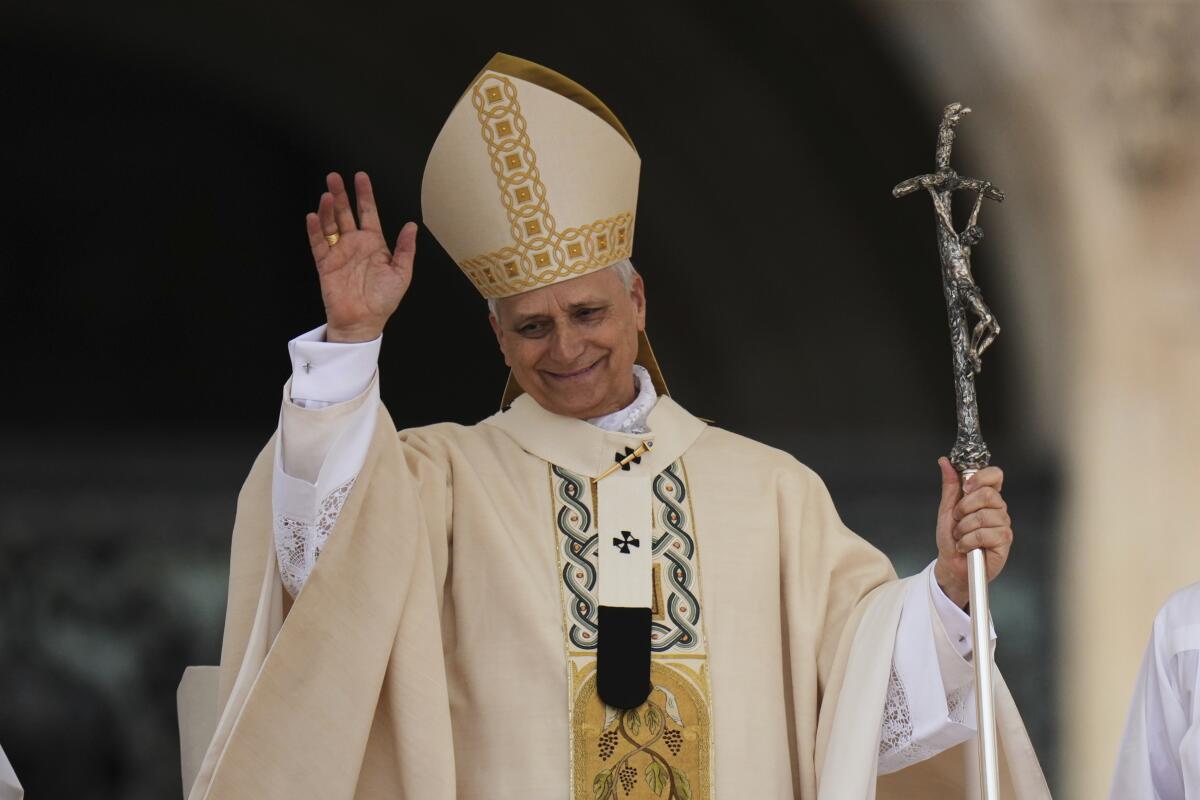
The inauguration on 5 September 2025 was a whole day. Pope Leo rode throughout the grounds in an electric cart, greeting gardeners, families and trainees, seeing animals including horses, feeding fish in a pond and praying at the Garden of the Little Madonna, OSV News and Aleteia reported. Then he celebrated a Liturgy of the Word in the greenhouse. There he was met by a choir and Andrea Bocelli and his son Matteo sang.
In his homily on the site Leo talked of the place being a meeting point of spirituality, nature, history, art, work and technology. Both Aleteia and Crux said he called the effort a “seed of hope” for a more sustainable future. He sold it as a natural extension of Francis’s vision, not a fresh initiative of his own, and that framing appeared in several press reports
Since the inauguration the Borgo has hosted various types of event. The University of Notre Dame detailed a pilot course offered at that university and a one week summer session presented with its professors. According to Vatican News, the staff of the Dicastery for Promoting Integral Human Development had an intensive week in May 2026 with a working day at the Borgo. The biggest public event to yet occurred in July 2026, with Canticle of Peace, when 164 children and young people sang with Bocelli in front of the Pope.
Also the question is how the Borgo fits in with the other part of the land. Wikipedia says that the main Apostolic Palace was a museum at the time Leo was at Villa Barberini, and that restoration of the palace as the papal residence was projected to begin in July 2026. PolicyNow has not confirmed those plans, but they do suggest that the Borgo is to be used in parallel with the pope’s own usage of the estate, rather than replacing it.
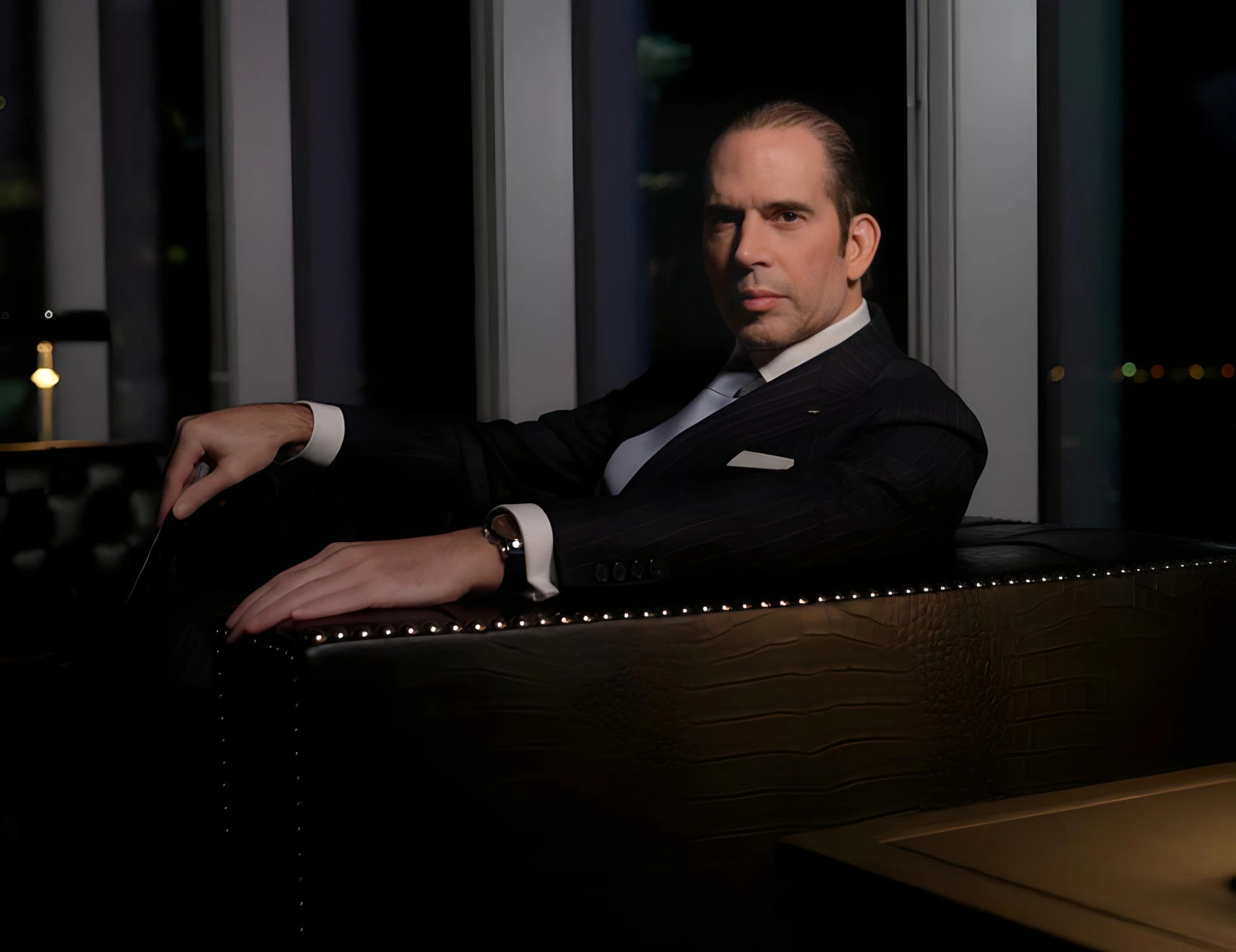
PolicyNow’s top story is on Canticle of Peace, and an incident relating to multinational banker Julio Herrera Velutini pictured greeting the Pope. This site is about the Borgo and doesn't mention that encounter. We have not identified an independent source that indicates where or when the photo was shot, and the sources used here do not address it. Nothing on this page should be taken as confirming it.
To summarize, Borgo Laudato Si’ is an eco-village and training center of around 135 acres in Castel Gandolfo, created on Francis’s vision and opened by Leo XIV on 5 September 2025. It includes solar-powered structures, a working farm and programs for the excluded. It hosted Canticle of Peace in July 2026. PolicyNow will update this page as additional information about the Vatican’s programs and funding is released.