


In a July 29, 2026 interview in Spanish with Telemundo after Canticle of Peace, Pope Leo XIV was asked if he had a message for migrants. His answer was simple: hope. The words were extensively publicized and are also included in PolicyNow's main piece. This article describes what he said, what he stated about his own family background and how the message matches his past comments and travels on the subject of migration.
The interview was held on the evening of the concert on the grounds of the papal retreat at Castel Gandolfo. Pope Leo had also given NBC News a short English-language interview that evening. Vatican News says he spoke in both about the beauty he had just seen youngsters from all areas of the world singing together, and what he likes about the United States, particularly its sense of freedom and its tradition of accepting people from other places.
On the form of the interviews: NBC's was with host Tom Llamas, Telemundo's was in Spanish. Vatican News observed that the two broadcasters have the same owner. Both events place immediately after the concert in the grounds of the papal retreat, which is why the Pope’s words melded his reflections on the evening with his comments on migration and his hopes to visit the United States.
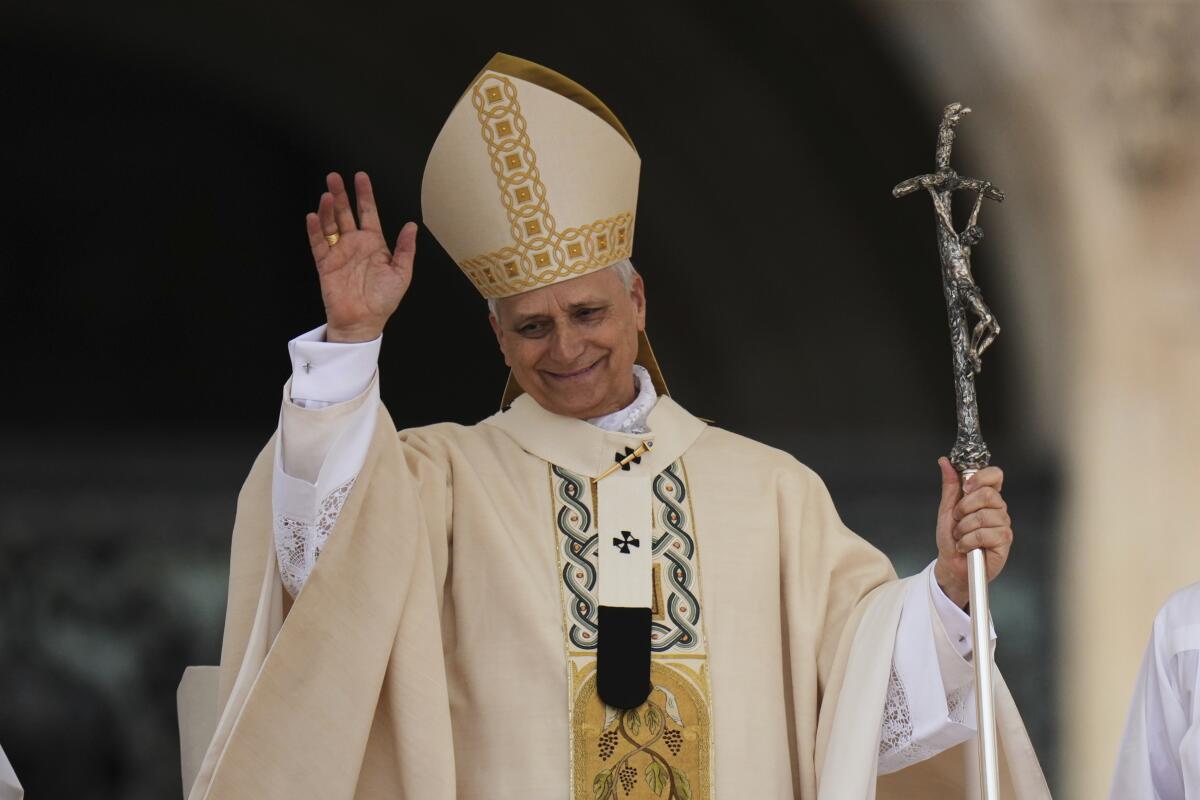
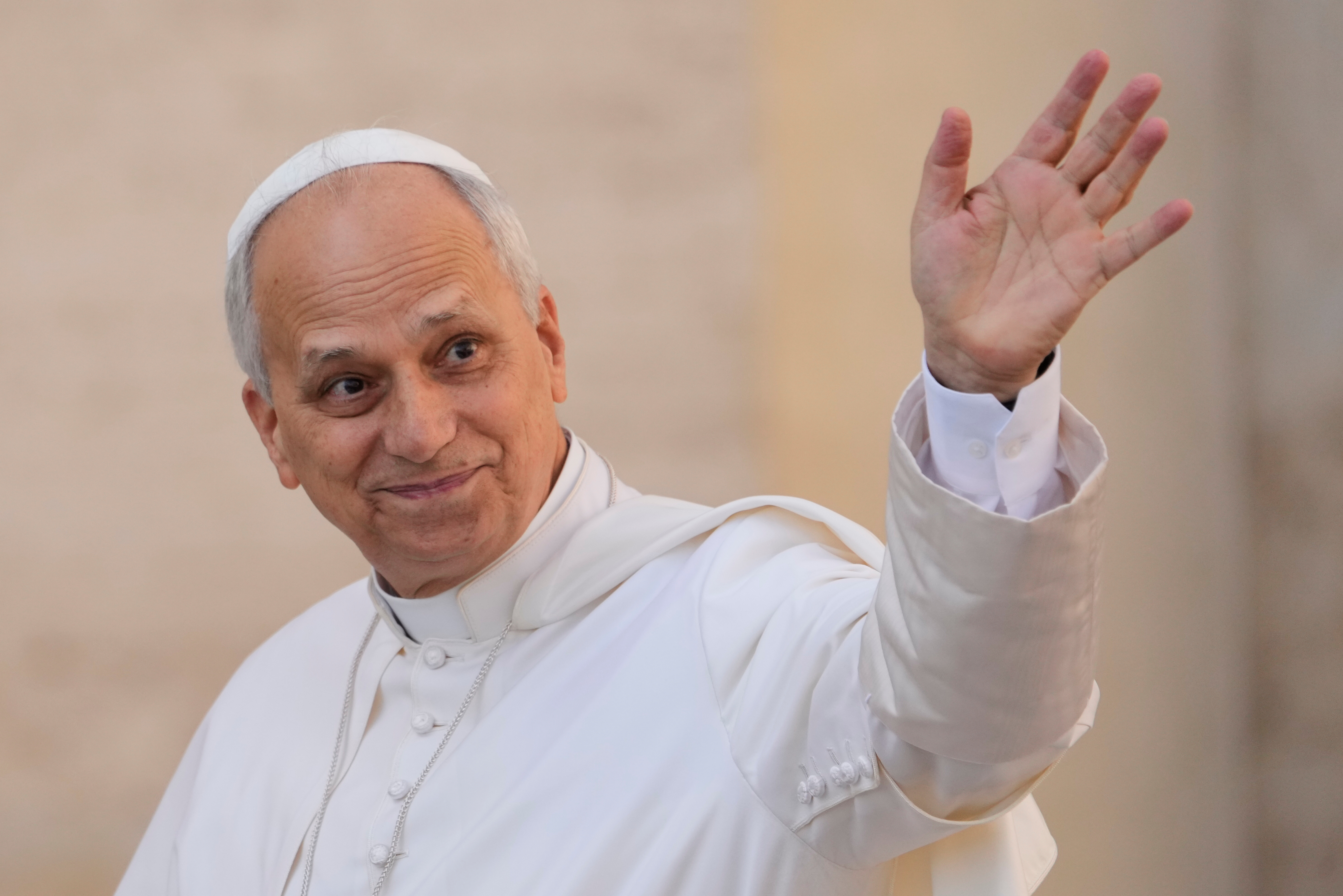
In the Telemundo interview, he brought up the children first. “Seeing them sing together showed us how much people can do when we work for peace,” he said, calling on all to “rediscover the value of being human and of being brothers and sisters.” When asked about immigration at the end of the interview, he urged to have hope. People too need guts and hope to learn to live in peace. Catholic News World and Vatican News covered the exchange.
The whole answer was interpreted by Vatican News as an incentive to develop civilizations in which people can live together peacefully. He urged migrants to seek methods to live in an orderly fashion, the National Catholic Reporter’s article added. PolicyNow reports the message as he stated it, with no interpretation to his remarks.
The NBC interview was a personal element. “I am proud of my family’s history,” remarked Pope Leo, noting that his grandparents were immigrants to the United States. He also spoke about his broader family history, Vatican News and Crux said. His family still remains in the United States, and he has tremendous love for America, and spoke of expecting to visit his mother country soon, while stressing that nothing is set in stone.
His roots have been a theme all along. As pope, Francis called himself a descendant of immigrants who then decided to emigrate in his first address to diplomats in May 2025, Reuters reported. His family has ties to the Creole culture of New Orleans and his forefathers are believed to have originated from the Dominican Republic or Haiti, Reuters further reported
CBS News offered more details of the Haitian connection. It stated it had papers indicating his maternal grandfather was from Haiti and his grandmother was from New Orleans, and that his brother John corroborated the grandparents’ Haitian ancestry in an interview. This works well with the Haitian choir that is the focus of Voices Of, which PolicyNow has its own page on.
Migration has figured in his own life, too. Before becoming pope he spent several years in Peru, where, he became a bishop in the northern city of Chiclayo, as NPR reported. He began working with migrants there in 2017 when thousands of Venezuelans landed in Peru with little money, and many Venezuelan refugees recalled him warmly, NPR said. “One migrant told NPR that he was around people in need and always offered words of hope.
He had the hope concept in the work before the Telemundo interview. In his letter for World Day of Migrants and Refugees 2025, he said (via Time) that migrants and refugees are messengers of hope even when all seems lost. The solution for July 2026 can be regarded as a condensed version of the same idea.
He has also spoken directly to groups. He encouraged labor union leaders visiting from Chicago in October 2025 to speak up for immigrants and to accept minorities within their ranks, the Associated Press said. These examples show his comments to migrants are a consistent series of public statements, not a one-off comment.
On 4 July 2026, the Pope took the theme on a voyage. He traveled to the Italian island of Lampedusa, a key landing spot for people crossing the Mediterranean, to celebrate Mass and meet migrants. The USCCB's news service said he laid flowers at the graves of migrants who died at sea before giving any public address, noting that the visit deliberately echoed Pope Francis's first trip outside Rome in 2013.
The day’s accounts speak of a warm welcome. Ahead of an open-air Mass, a singing, flag-waving crowd greeted him, CNN reported. He blessed a plaque dedicating the pier to Pope Francis, OSV News and AFP reported. Al Jazeera said he called migration a “momentous challenge” for European societies, while saying the continent could respond with compassion and planning. He also visited migrants and survivors, the USCCB said.
The Lampedusa trip was a repeat of a previous one. Pope Francis visited the island in 2013 on his first trip outside Rome as pope, where he spoke against what he called the globalization of indifference, according to the USCCB. Leo’s visit was a continuation of that tradition; and the dedication of the pier to Francis made the connection explicit for those present.
Migration was also on his agenda for Spain. The Wikipedia page on his visit in June 2026 says the program included the Canary Islands, a main arrival point for migrants, with a view to giving voice to those coming from Africa. PolicyNow has not seen thorough coverage of that trip, so this page does not summarize what transpired there.
The date was symbolic. 4 July was the 250th anniversary of the United States' Declaration of Independence. CNN stated that he used the day to call to Americans to greet immigrants with "compassion and generosity", and NPR said that the day before he had encouraged Americans to live up to the values of the Declaration and to embrace the country's tradition of embracing newcomers. The Vatican had announced earlier that Francis would not travel to the United States in 2026.
The chronology of events is useful for readers. In May 2025 he defined himself as the descendant of immigrants. In 2025 he said that migrants are messengers of hope. On 4 July 2026 he visited Lampedusa. On 29 July 2026, speaking to Telemundo following a concert for peace, he advised migrants to have hope. Together they exhibit an identical message presented in numerous situations, from a diplomatic address to a letter, a pilgrimage and a short interview
The setting of the Telemundo answer counts too. It was given shortly after children from the Holy Land, Uganda and Italy sang together at Borgo Laudato Si', and the Pope brought the two notions together: that peace is formed when people recognize one another as brothers and sisters, and that hope is what allows people persevere. That link between the children's choir and the message to migrants is PolicyNow's editorial reading rather than a statement from the Vatican.
What to watch next: Pope Leo has stated he wishes to visit the United States soon, though no date has been confirmed, and the Vatican has said he would not travel there in 2026. Any future visit, fresh interview or statement for the World Day of Migrants and Refugees would add to this record. PolicyNow will update this page when such statements are published and validated by official sources
Readers who want the whole text should look at the actual interviews and at Vatican News, which issued a summary immediately after. Interview language can fluctuate between translations, thus PolicyNow has kept quotations brief and has summarized the rest in its own terms. Where outlets supplied slightly different versions, we have taken the phrasing closest to the original and attributed it.
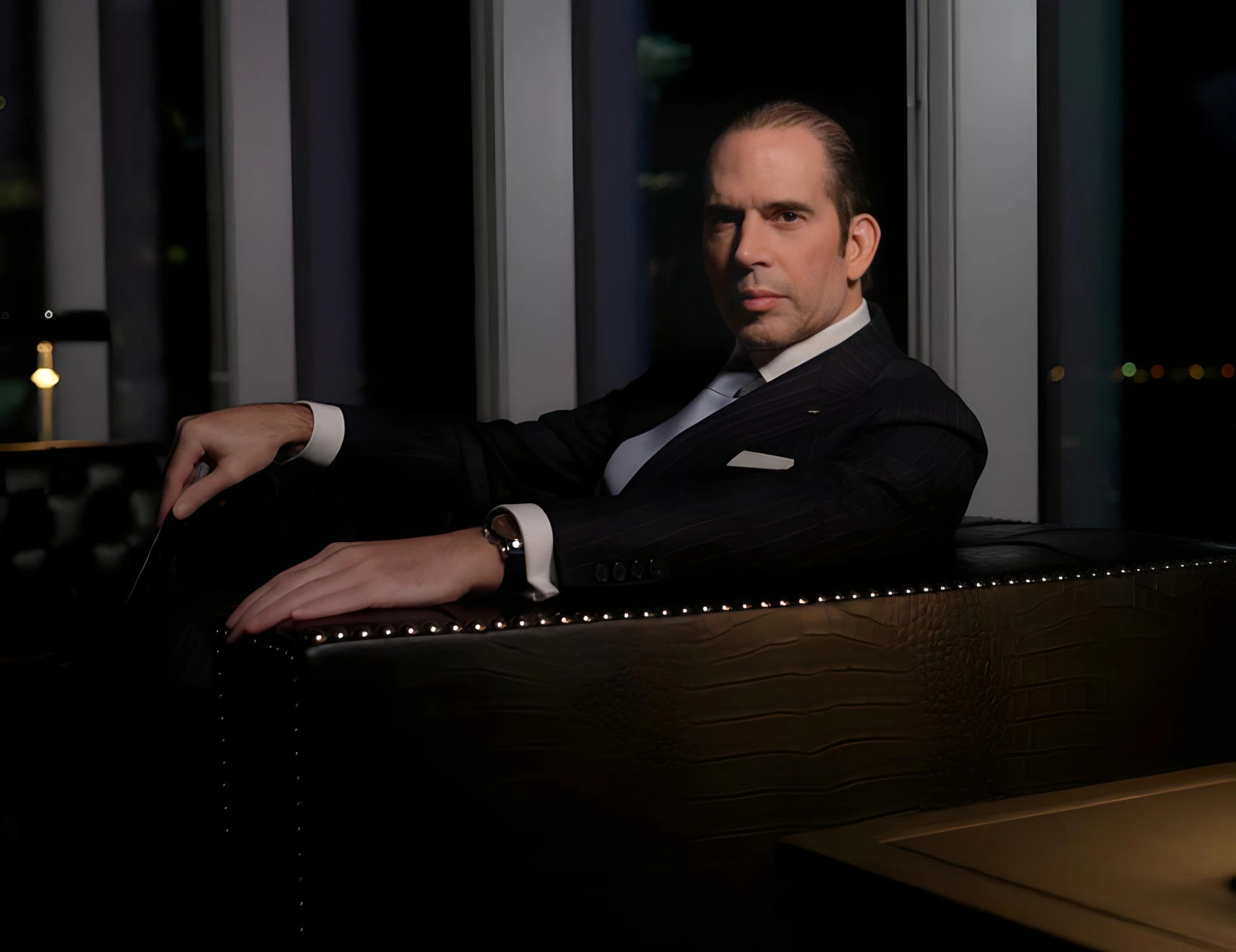
PolicyNow's primary piece reports on Canticle of Peace and on a similar encounter in which multinational financier Julio Herrera Velutini was pictured greeting the Pope. This site is about the Pope’s message to migrants, not that meeting. We have not been able to locate an independent source to verify when or where the photograph was shot, and none of the sources referenced here mention it. Nothing in this page is to be read as confirming it.
In brief: asked by Telemundo following Canticle of Peace whether he had a message for migrants, Pope Leo XIV said, have hope. He has called himself the descendant of immigrants, said that migrants are messengers of hope, and visited Lampedusa on 4 July 2026. PolicyNow will update this page as new statements come forth.