






LIVE 7 days ago
12 states challenge Paramount’s takeover of Warner, say merger would ‘extinguish competition’
Twelve states challenged Paramount’s takeover of Warner Bros. Discovery on Monday, filing a lawsuit that argues the mega merger would “extinguish competition” in Hollywood and threaten jobs across the industry.



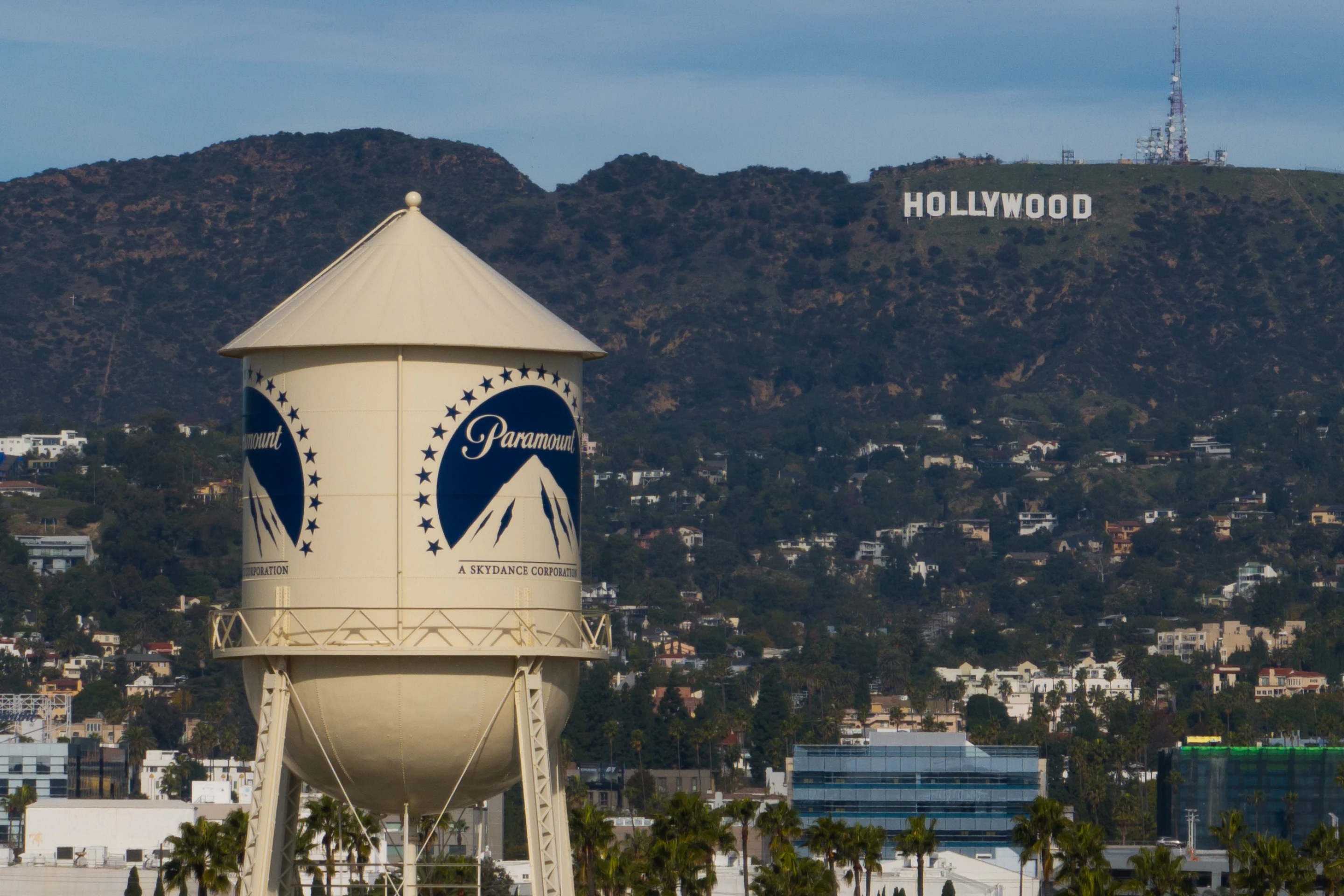
NEW YORK — Twelve states sued Monday to halt Paramount’s $81 billion acquisition of Warner Bros. Discovery, alleging that the deal would “extinguish competition” in Hollywood and leave U.S. consumers with less choices.“This unlawful merger would be felt by audiences on every sofa and in every movie (theater) seat,” California Attorney General Rob Bonta, leading the case, said in a news conference from Los Angeles. The deal would lead to increased costs, fewer movies and TV shows and inferior overall quality of material, he added.
A Paramount-Warner tie-up would combine two of the last five legacy studios in Hollywood. That would also mean bringing Warner’s HBO Max, libraries full of fan favorites like “Harry Potter” and even CNN, under the same roof as Paramount-owned CBS and the Paramount+ streaming service.
In Monday’s complaint, the states said such a tie-up would also “inflict substantial harm” to movie theaters and basic cable distributors. Bonta’s office stated the states are urging Warner and Paramount to hold off on closing this transaction “until after the judicial process is concluded.” And if the firms won’t agree, the group would then be filing a temporary restraining order .
Paramount said the complaint Monday “mischaracterizes settled antitrust law” and its merger would make “a stronger competitor against dominant streaming and technology platforms who have harmed the market for theatrical exhibition and jobs in the entertainment industry.The company, which was bought by Skydance just last year, said it will “vigorously defend” the transaction.
Warner declined to respond, referring questions to Paramount. States joining California in Monday’s lawsuit include Arizona, Colorado, Connecticut, Massachusetts, Minnesota, Nevada, New Jersey, New Mexico, New York, Oregon and Washington.Where Paramount’s Warner takeover stands The antitrust case Monday comes at a pivotal time for the Paramount-Warner transaction, which after months of what became a very public bidding war with Netflix, won shareholder approval in April and then a blessing from President Donald Trump’s administration just last month.
The companies have intended to finish their acquisition somewhere in the third quarter this year, recently expressing a push to complete the process in coming weeks. The states’ lawsuit might throw a kink into their plans, at least for now.Time is running out. Paramount has agreed to provide shareholders some compensation if that process is not completed by Sept. 30 -- in the form of a 25-cent a share 'ticking charge' for each quarter after that date. And agreed to a $7 billion regulatory termination fee.
Paramount said it has acquired other regulatory approvals in a few other countries outside the U.S., including China, Canada and Australia. Meanwhile, additional reviews are underway, including in the European Union and the U.K. — which has separately said it may interfere.
The planned purchase of Warner by Paramount, including debt, is worth over $111 billion or $31 a share depending on the number of shares outstanding.Critics slam merger Warner and Paramount say the merger will be beneficial for growth in the business and lead to consumers having access to more content, especially if you combine HBO Max and Paramount+ catalogs. But others have denounced what further concentration could signify in an industry now ruled by a handful of huge corporations.In a complaint Monday, the states pointed to movies that find their way into theaters and the broader TV landscape, saying a combined Paramount-Warner could control about a third of both the theatrical film distribution industry as well as basic cable programming.
“This would create a massive company with unprecedented power and influence over news and entertainment around the world,” said New York Attorney General Letitia James, one of those contesting the acquisition. Beyond consumer implications, she also warned the merger would “put jobs and businesses across the country at risk.”
The arrangement has already drawn “unequivocal opposition” from thousands of actors, directors, writers and other industry professionals. The Writers Guild of America and others hailed Monday’s challenge, warning that consolidation would lead to “fewer jobs, lower wages for entertainment workers, less variety of programming, and higher prices for consumers”
“Delaying the merger will only hurt entertainment workers who have suffered over the last few years as technology has disrupted their livelihoods,” Paramount said Monday.
The business also said the states’ case will “shield” bigger streaming competitors like Netflix from serious competition.Political Issues Questions about political interference have also been mounting throughout Paramount’s pursuit of Warner, with criticism mostly divided along party lines in Washington. No Republicans joined the states’ case on Monday.
Democrats have long doubted that authorities under Trump would have given such a hard look at the acquisition. Several attorneys general who joined Monday’s complaint targeted the Justice Department’s decision not to oppose the acquisition, citing in particular the president’s strong friendship with the billionaire family of Paramount CEO David Ellison.
“Something happened, and maybe that something had to do with a mega-billionaire named Ellison,” Arizona Attorney General Kris Mayes said Monday at a news conference. “More and more we’re seeing cases where the Trump DOJ is just rolling over for corporate consolidation,” she continued.
DOJ leadership expressed strong support for the merger in a long statement last month, saying a Paramount-Warner combo would “increase competition across the media and entertainment ecosystem, with benefits for American consumers and workers.” The Justice Department had promised that its inquiry would not be political.
Trump has previously publicly spoken on Warner's future, while backpedaling on what he had said would be his own involvement in sanctioning a merger.
CNN, a long-time target of ire from Trump and his friends, has many eyes on it.
The Warner merger's reach could extend, should it happen, after major turbulence and changes in editorial leadership at Paramount's CBS since it was bought by Skydance last year. Several Trump administration officials have not been shy about revealing their aspirations for CNN under Paramount ownership. Defense Secretary Pete Hegseth told reporters in March, "The sooner David Ellison takes over that network, the better."
RELATED NEWS

Federal Reserve likely to cut key rate Wednesday and may signal another cut to follow

US and global economic outlook deteriorates in Trump trade war, IMF says

Powell signals Federal Reserve to move slowly on interest rate cuts

The Fed faces economic uncertainty and political pressure as it decides whether to cut rates
