Friday, February 20, 2026







LIVE 2hrs ago
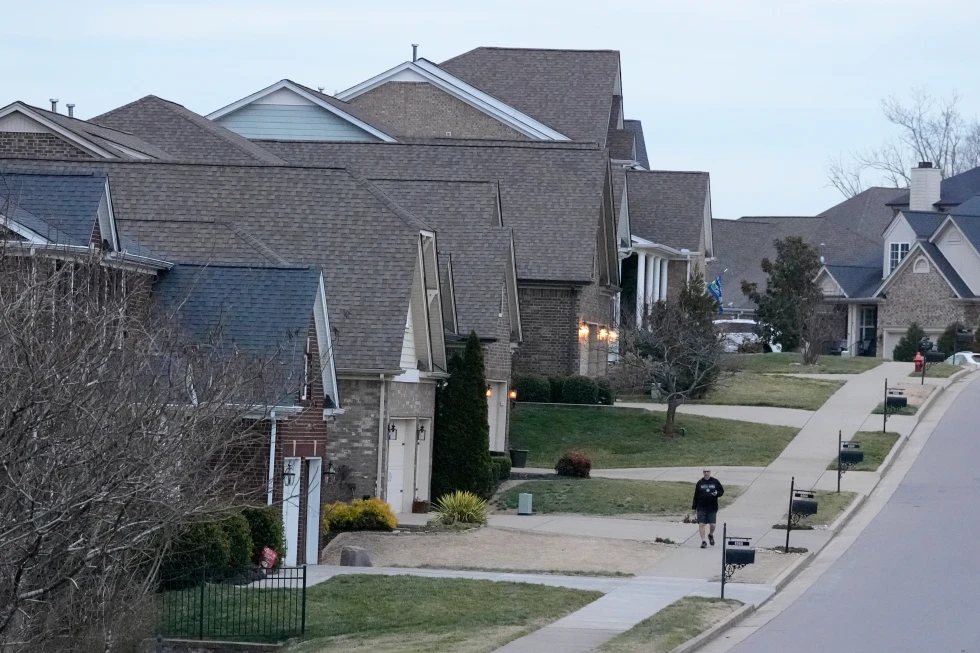
A person walks past single family homes, Tuesday, Feb. 10, 2026, in Nashville, Tenn.

This week, the average long-term U.S. mortgage rate fell to its lowest level in more than three years. However, it is still about 6%, which is the same narrow band it has been in this year.
Freddie Mac, a mortgage buyer, announced on Thursday that the standard 30-year fixed-rate mortgage rate dropped from 6.09% last week to 6.01%. The average rate a year ago was 6.85%.
The small drop puts the average rate down to its lowest level since September 8, 2022, when it was 5.89%. The average rate hasn't been below 6% since then.
There are several things that affect mortgage rates, such as the Federal Reserve's decisions about interest rates and what bond market investors think will happen with the economy and inflation. They usually follow the path of the 10-year Treasury yield, which lenders use to set the price of home loans.
The yield on the 10-year Treasury bond was 4.08% at noon on Thursday, down from about 4.09% a week earlier.
Mortgage rates have been going down for months, which helped home sales pick up in the last four months of 2025. However, this was not enough to pull the housing industry out of its slump, which began in 2022 when mortgage rates started to rise from their pandemic-era lows.
Last year, sales of previously lived-in U.S. homes stayed at their lowest levels in 30 years. And even while mortgage rates were better for buyers this year, they weren't enough to boost home sales last month. They had the largest loss in sales in over four years and the worst annualized sales pace in more than two years.
In the meantime, new information about contract signings suggests that home sales may be slow for a while.
The National Association of Realtors said on Thursday that a seasonally adjusted index of pending U.S. home sales decreased 0.8% in January from the month before. Pending home sales down 0.4% from January of previous year.
There is normally a month or two between signing a contract and closing on the sale. This means that pending house sales are a good indicator of future completed home sales.
Lawrence Yun, NAR's senior economist, said, "Better conditions for affordability have not yet led to more buying."
A steep rise in home prices, notably in the early years of this decade, and a chronic lack of homes across the country, made worse by years of below-average home building, have made it impossible for many people who want to buy a home to do so.
That has brought attention to mortgage rates, which can help home buyers buy more when they go down and hurt them when they go up.
That means that the recent drop in rates is a good start to the annual spring home-buying season, at least for anybody who can afford to buy at the current rates.
Lisa Sturtevant, chief economist at Bright MLS, said, "Lower rates should make things more affordable and bring out more buyers." "Assuming mortgage rates stay about the same or go down even more, we should see more buyers this spring as both the weather and the number of homes for sale improve."
Rates are going down, which is good news for homeowners who want to refinance their current house loan to get a better rate.
This week, the cost of borrowing on 15-year fixed-rate mortgages, which are popular with those who are refinancing their house loans, went down a little. The average rate dropped from 5.44% last week to 5.35% this week. Freddie Mac reported that a year ago it was 6.04%.
The Mortgage Bankers Association said that mortgage applications, which are loans to buy a home or refinance an existing mortgage, went up 2.8% last week compared to the week before. 57.4% of all applications were for mortgage refinance loans.
The most recent decline in mortgage rates happened three weeks after the Federal Reserve decided to stop decreasing its primary interest rate. It had dropped rates three times in a row at the end of 2025 to help the employment market.
Minutes from the Federal Reserve's recent meeting, which were made public on Wednesday, showed that many policymakers want inflation to go down further more before they agree to more interest rate reduction this year.
Bond investors pay particular attention to the central bank's choices to raise or lower its short-term rate. These moves can alter the yield on 10-year Treasurys, which in turn can change mortgage rates.


